
310 Washington Street, Boston, Massachusetts 02108, United States
Details
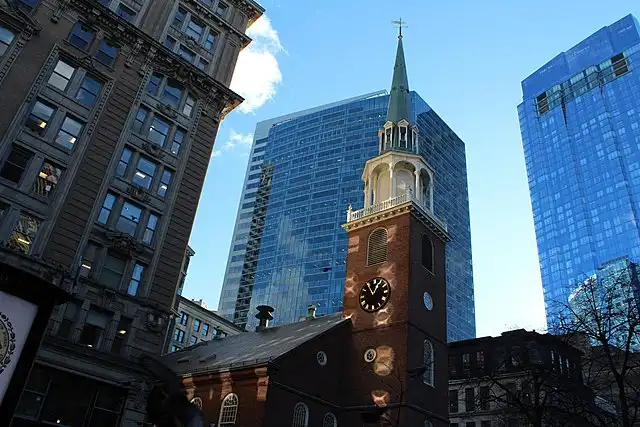
The largest building in colonial Boston and stage for some of the most dramatic events leading to the American Revolution. Built in 1729 as a Puritan meeting house with capacity for 5,000-7,000 people, it became the center for public protest meetings from 1768-1775. Most notably, on December 16, 1773, colonists gathered here to debate the tea tax before Samuel Adams gave the signal that sparked the Boston Tea Party. The building also hosted annual commemorations of the Boston Massacre with speeches by patriots like John Hancock and Dr. Joseph Warren. During the British occupation in 1775, British soldiers gutted the interior and used it as an indoor riding school. Nearly destroyed in the Great Boston Fire of 1872 and slated for demolition, it was saved by ‘twenty women of Boston’ led by Mary Hemenway in the first successful historic preservation effort in the United States. Now part of Revolutionary Spaces.

Beacons You Might Find at a Museum or Historical Society
Historical Documents
Historical societies preserve letters, diaries, land deeds, maps, business records, military records, and government documents. These are primary sources that tell authentic stories about your community’s past.
Historical Artifacts
Expect to find tools, household items, clothing, furniture, farming equipment, military items, and objects from daily life in different eras. Each artifact represents how people lived and worked in your area.
Historical Photos
Historical societies often have extensive photo archives showing buildings that no longer exist, street scenes, family portraits, local events, and changes in the landscape over time.
Historical Art
Look for paintings, drawings, or sculptures depicting local historical scenes, portraits of notable community members, or artwork that reflects the cultural heritage of your area.
Historical Markers
Many historical societies maintain information about markers throughout the community or have plaques on their own building explaining its significance.
Monuments
Some historical societies are located near or maintain information about local monuments, memorials, or commemorative structures in the area.
Historical Figures
Historical societies specialize in documenting people who shaped local history – founders, veterans, activists, business leaders, and ordinary citizens whose stories matter.
Where to Look
- Main exhibit areas and rotating displays
- Permanent collections and archives (may need to ask to view)
- Building exterior for historical markers
- Historical society website: online exhibits, digital archives, research databases
- Published materials: local history books, newsletters, research guides
Tips for Finding Beacons
- Call ahead or check hours – many historical societies have limited visiting times
- Ask staff about current exhibits and what’s available in the archives
- Many societies have online databases you can search from anywhere
- Look for walking tour maps or guides they’ve created
- Check if they have a newsletter or blog with featured stories
CONTACT
Related Beacons
No related beacons... yet!